
Off-Road Motorcycle Hydration and Dehydration FAQs
Jan 15, 2023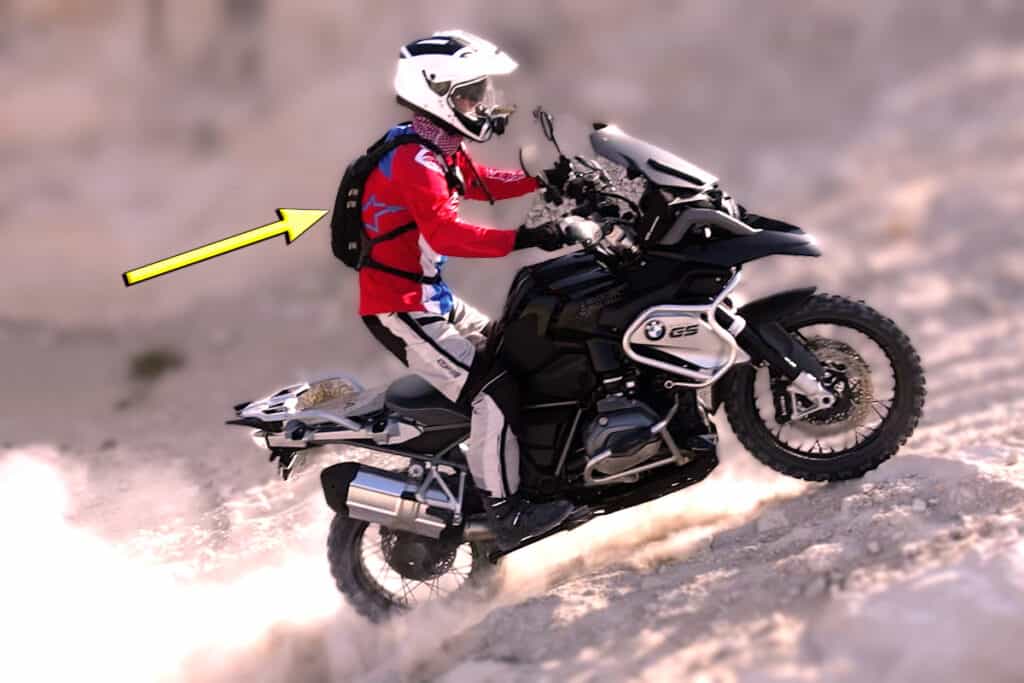
By Coach Mike, ADVMotoSkillZ
Staying hydrated isn’t just about drinking water. It’s about keeping your body’s systems working properly — and that means balancing water plus electrolytes.
When you’re riding off-road, you sweat, breathe hard, and burn a lot of energy. You’re losing fluids fast, and if you don’t replace them the right way, dehydration can sneak up on you.
Let’s break it down simply:
What Really Hydrates You?
Real hydration starts with electrolytes, not just plain water.
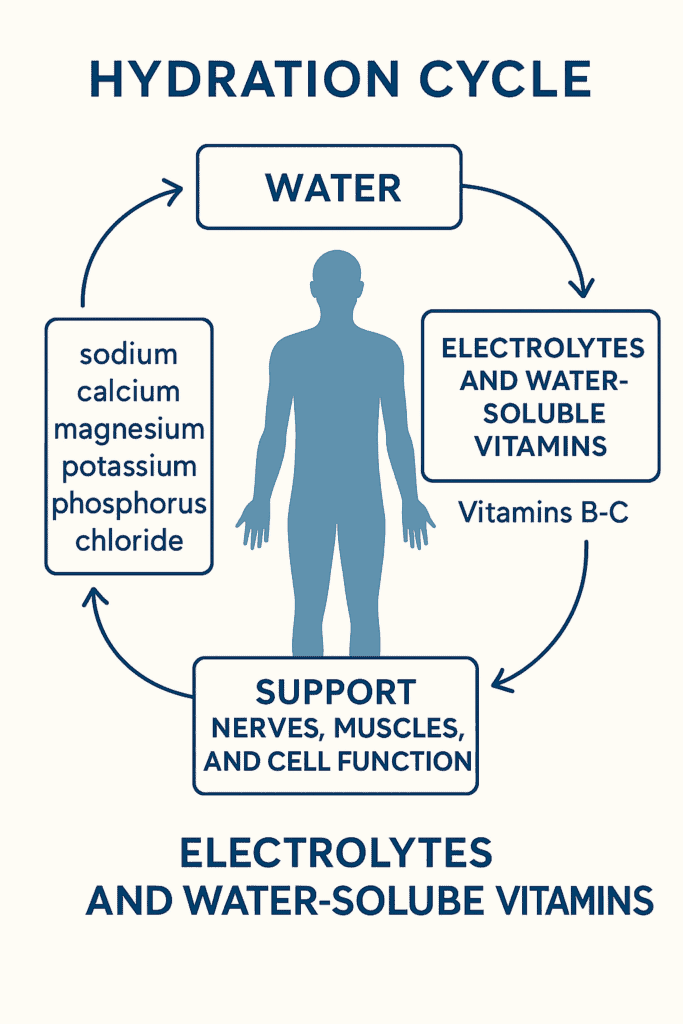
Electrolytes are minerals that dissolve in water and carry an electric charge. These charges help your body do everything — like moving muscles, making energy, repairing tissues, and fighting off sickness.
The main electrolytes you need are:
- Sodium
- Potassium
- Magnesium
- Calcium
- Chloride
- Plus water-soluble vitamins like Vitamin B and Vitamin C
How they help:
- Sodium pulls water into your cells to hydrate them.
- Potassium pushes water out when needed to stop swelling.
- Magnesium helps nerve signals and enzyme reactions.
- Calcium fires muscle contractions and builds strong bones.
- Chloride balances fluids and helps digestion.
Why Plain Water Isn’t Enough
On long, hot rides you lose salt as well as water through sweat, so you need to replace both. Sip water steadily and add electrolytes; don’t just drink huge amounts of plain water.
This post may contain affiliate links. Please see our Privacy & Disclosure Policy for more details.
Top-quality gear for your next adventure
Used and recommended by ADVMotoSkillZ
Visit Lone Rider Here
Does motorcycle riding make you dehydrated?
Motorcycle riding will cause dehydration regardless of weather conditions. While it is true that excessive sun, heat, or humidity will speed up the dehydration process, it happens in all weather.
Off-road riding is a physically demanding activity that burns a lot of calories. The longer our motorcycle ride is, the warmer and sweatier our bodies become. The act of sweating dehydrates us as we progress in our journey. Direct exposure to the wind quickly evaporates any moisture build-up on exposed skin, including the eyes and mouth/lips.
For me, the hydration pack is standard gear for every off-road ride.
How Diuretics Dehydrate You
Some things force your body to lose even more water:
- Coffee (because of caffeine) makes your kidneys work faster and pee more.
- Alcohol blocks a hormone called vasopressin. Without it, your body dumps fluids fast.
- Certain medications can act as diuretics too.
When you pee more, you’re not just losing water — you’re also flushing out electrolytes.
If you’re drinking coffee, alcohol, or taking diuretics, you need to replace both water and minerals.
Signs You Might Be Dehydrated
Being thirsty is not the first sign.
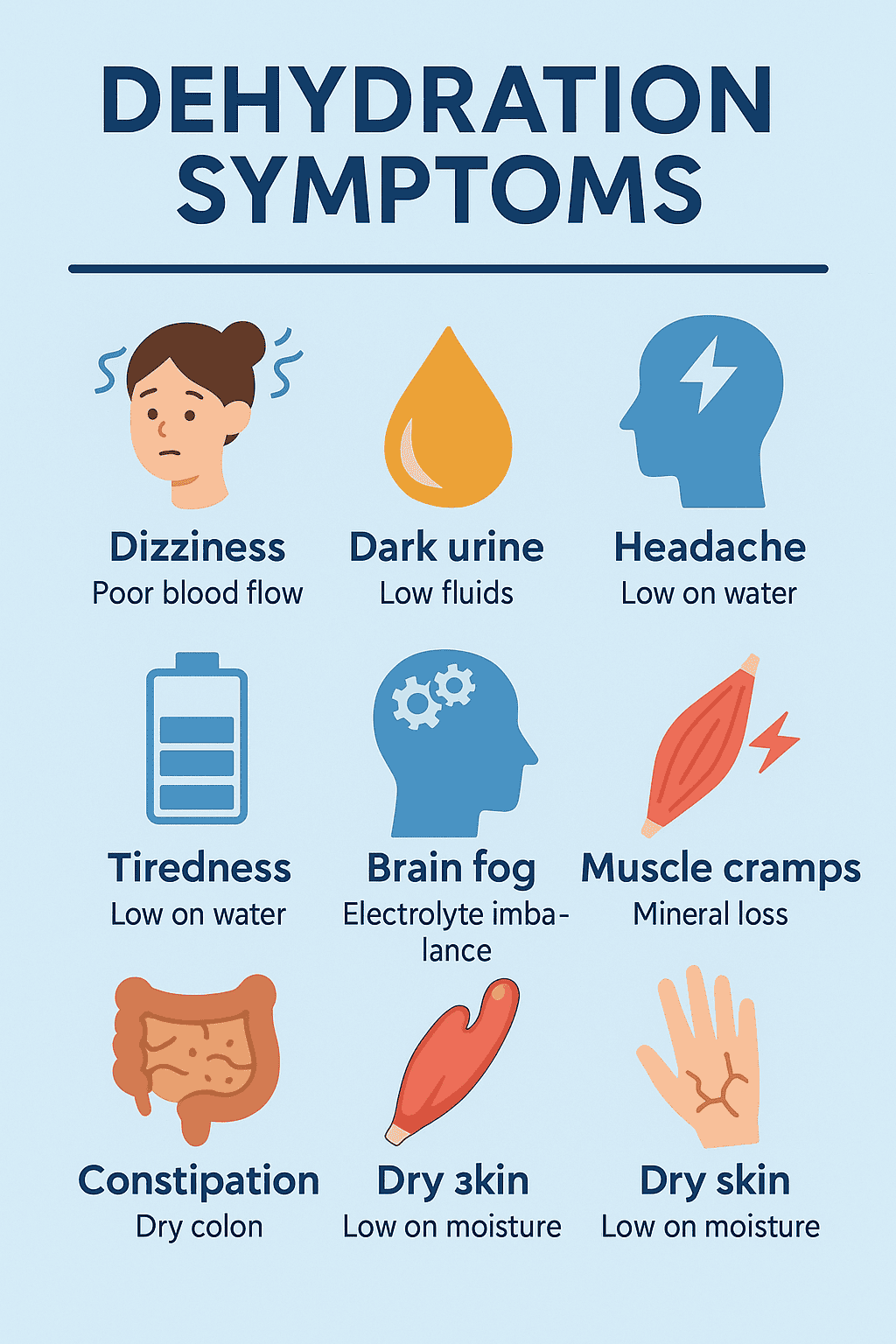
Here are other important clues:
- Dizziness when you stand up.
- Dark yellow or amber urine (normal is pale yellow or clear).
- Headaches that show up suddenly.
- Tiredness that sleep doesn’t fix.
- Constipation (your body is pulling water from the gut).
- Brain fog and confusion.
- Muscle cramps and spasms.
- Dry, flaky, or cracked skin.
If you notice any of these, it’s time to act fast.
What’s the Best Way to Hydrate?
What to Avoid:
- Don’t rely on huge amounts of plain water alone. On long, hot rides you sweat out salt as well as water, so replace both.
What to Do Instead:
- Drink water with minerals:
- Spring water (naturally full of minerals)
- Reverse osmosis water with minerals added back in (you can add a pinch of salt yourself)
- Eat and drink foods that hydrate you: These are rich in natural electrolytes and easy for your body to absorb:
- Fresh fruits (like watermelon, oranges, berries)
- Fresh fruit juices
- Coconut water
- Lemon water
- Bone broth
Quick Tip:
If you’re riding long off-road days, bring an electrolyte drink — but pick one without tons of added sugar or fake colors. Look for natural options that list real minerals on the label.
“Dehydration occurs when you use or lose more fluid than you take in, and your body doesn’t have enough water and other fluids to carry out its normal functions.”
Mayo Clinic Website
Innovative Motorcycle Tool Sets – Compact & Reliable
Used and recommended by ADVMotoSkillZ
Visit SBVTools Here
How do you stay hydrated while riding your motorcycle all day?
One of the best ways to stay hydrated on a ride is to begin hydrating ahead of time. Start your morning with one or two big glasses of water. Do not skip this step simply because you want to avoid needing a pee-break early in the trip. We all wake up dehydrated after 6-9 hours of sleep, so early morning water consumption is good practice for everyone.
There are 3 common methods of hydrating throughout a day of riding:
Bare minimum hydration – These riders plan stops along the journey to buy water and take breaks. Rest stops and convenience stores act as hydration stations in this method. While this bare minimum approach is better than nothing, it has some downsides.
Your water consumption will be limited to the number of shops available along your route. So if you are thirsty or start noticing signs of dehydration, you need to wait to find a store. Meanwhile, dehydration progresses, and you place yourself at increased risk.
Also, if you plan to go off-road, this method limits you to drinking water only before or after the ride. This is a highly unsafe practice and will become a significant challenge in the case of mechanical issues or personal injury when off-road.
Carry bottles on the bike – Some riders take advantage of the luggage space available on ADV bikes to throw a couple of water bottles onto the bike. This option is far superior to the previous one mentioned.
You are preparing yourself ahead of time by carrying your water on the bike. There is peace of mind in knowing your hydration needs are planned adequately so you can focus on other aspects of the ride.
While those who pack up water bottles should be commended, this method has one major drawback. If the bottles are in your luggage, you only drink water during riding breaks. This creates a scenario where you have limited hydration opportunities, leaving you at risk for dehydration.
Despite your best calculations and packing up plenty of water onto the bike, if half of those bottles are still full when you get home, you became dehydrated during the ride.
Best-practice motorcycle hydration – A hydration bladder backpack is the best hydration method when on your motorcycle. These can be purpose-made for hydration, or you can get a backpack that doubles for hydration and storage.
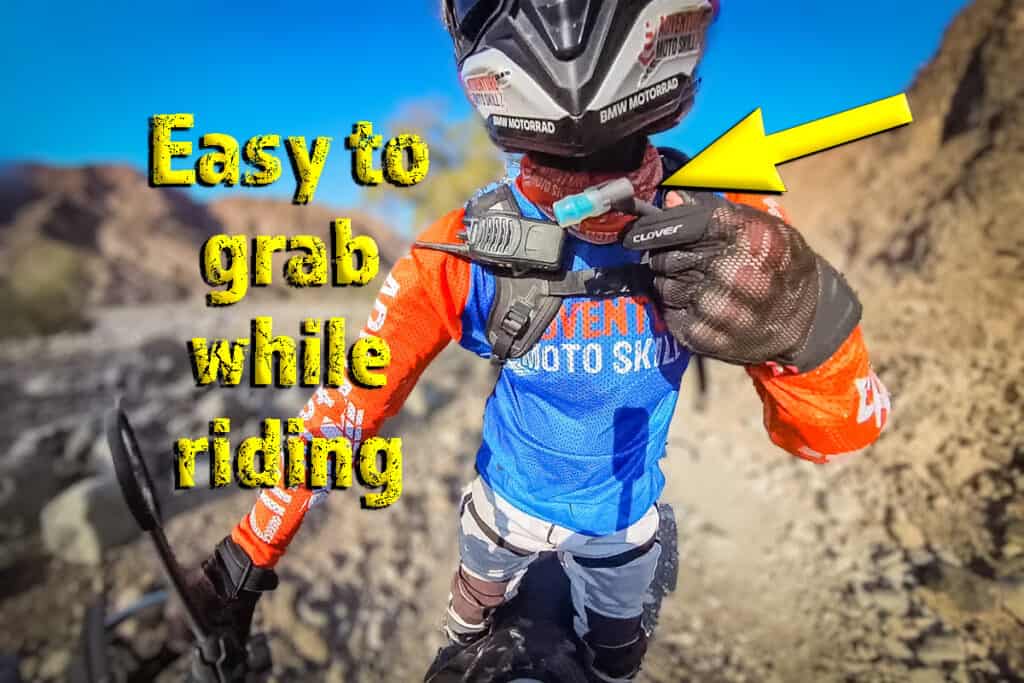
Easy to use without the need to stop
Having the water directly on your body gives you access to hydrate at any time. There is no need to stop at a store or wait for the next riding break. These packs allow you to drink as you ride, so dehydration never becomes a problem again.
How do you use a hydration pack?
I use a Kriega Hydro-3 for most day rides. It is comfortable to wear and easy to clean. Check out this full video on proper use:
Watch: how to use a hydration pack on the bike
For longer trips when I need a bit of storage space for things like extra clothing layers, the Lone Rider Overlander Bag provides ample backpack storage and it comes with a handy beavertail compartment that holds a 3-liter hydration bladder. Check that one out here:
Watch: the Lone Rider Overlander bag with hydration bladder
Hydration pack tips:
- Purchase after-market bite valves
- Purchase an insulation tube cover if you ride in hot weather
- Make ice cubes in silicone muffin trays so the larger-sized cubes last longer
Safety
Another added benefit I have experienced while wearing a hydration pack is extra protection for my back. I have had a few unexpected dismounts that involved a roll or two. Having the extra cushioning of water on my back helped to soften the blow. I always wear body armor when riding, but having that water bladder makes me feel even more confident.
Final Thoughts
Hydration isn’t just about drinking more.
It’s about smart hydration — replacing both water and electrolytes so your body can work properly.
When you’re out riding in the heat, hitting rough trails, or just sweating a lot, think ahead:
- Start your day hydrated.
- Keep replacing electrolytes.
- Don’t wait until you’re thirsty to act.
A well-hydrated body rides better, thinks faster, and stays safer.
Ready for longer days off-road?
Staying hydrated is one part of riding well all day; riding efficiently is the other. Send me a video of your riding through ADVMotoSkillZ Video Coaching and I’ll help you build the technique and confidence for those big off-road days. Based in the UAE? Book in-person off-road coaching instead.
Originally published 15 January 2023 by Coach Mike, ADVMotoSkillZ.
Author


